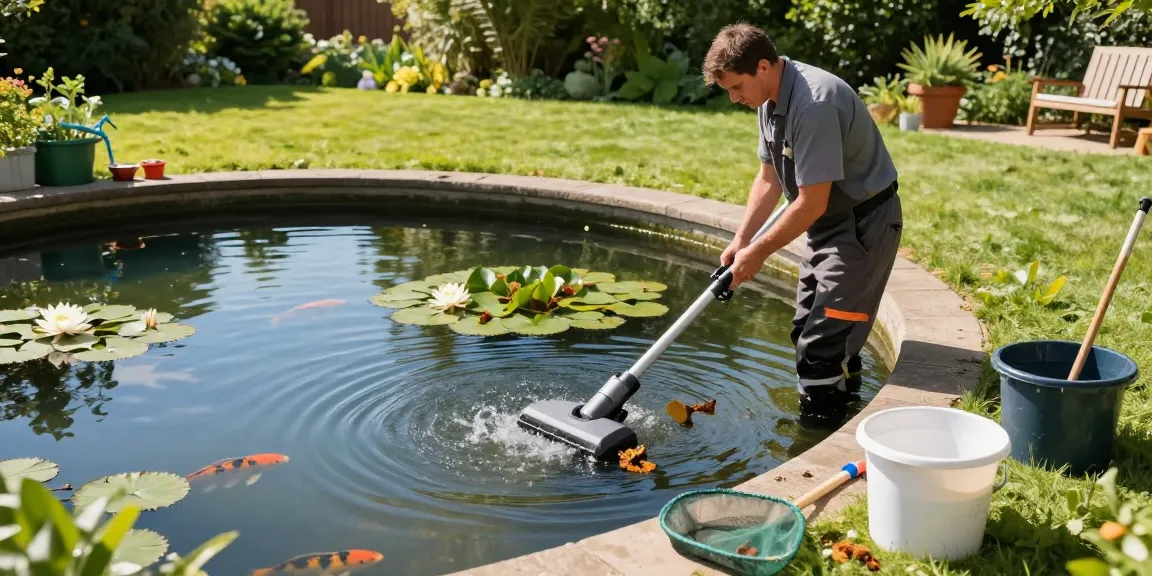
Understanding the Importance of Pond Cleaning in Kent
Pond cleaning is not just a seasonal chore; it is a vital practice that ensures the health and aesthetics of your garden pond. In Kent, where natural beauty and wildlife thrive, maintaining a clean pond becomes essential for local ecosystems and personal enjoyment. An unkempt pond can lead to a myriad of issues, from murky water and unpleasant odors to unhealthy fish and aquatic plants. For those seeking efficient solutions, Pond Clean Kent services offer tailored approaches to address these challenges.
Why Regular Maintenance Matters for Your Pond?
Regular pond maintenance is crucial for several reasons. Firstly, it ensures that your aquatic life remains healthy. Fish and plants thrive in clean water, free from excessive algae and sediment build-up. Moreover, routine cleaning helps prevent costly repairs over time, as neglect can lead to more severe problems like structural damage or complete water loss. Secondly, a well-maintained pond enhances the overall beauty of your garden, serving as a serene centerpiece that attracts local wildlife, such as birds and beneficial insects.
The Environmental Benefits of a Clean Pond
Besides personal enjoyment, keeping your pond clean positively impacts the environment. A healthy pond contributes to biodiversity, providing habitat for various species and creating a balanced ecosystem. Clean water supports aquatic plants that oxygenate the water, which is vital for animal life, and helps minimize the need for chemical treatments that can harm local flora and fauna. Additionally, maintaining clean water quality aids in preventing runoff pollutants from entering local waterways.
Common Mistakes in Pond Care
- Ignoring Seasonal Changes: Failing to adjust your cleaning routine based on seasonal needs can lead to algae blooms during warmer months.
- Overfeeding Fish: Excess food contributes to nutrient overload and can cause water quality issues.
- Neglecting Filtration Systems: An unmaintained filter can hinder water circulation, leading to stagnant water and poor quality.
Essential Tools and Equipment for an Effective Pond Clean
Must-Have Tools for Pond Maintenance
To effectively clean your pond, it's essential to have the right tools at your disposal. Some of the must-have equipment includes:
- Pond Vacuum: Ideal for removing debris and sludge from the pond floor without draining the water.
- Netting: Useful for removing leaves and other floating debris before they decompose and affect water quality.
- Water Testing Kits: Essential for monitoring pH, ammonia, and nitrate levels, ensuring a balanced ecosystem.
Choosing the Right Equipment for Your Pond Size
Your pond's size greatly influences the type of equipment you should choose. Larger ponds may require industrial-grade vacuums or multiple filtration systems to maintain water clarity. Smaller garden ponds might benefit from portable pumps and simple hand tools. Assessing your specific needs will help you invest wisely in pond care tools.
Innovative Technologies for Pond Cleaning in 2026
As technology evolves, so does the equipment available for pond maintenance. Innovations such as robotic pond cleaners are becoming more accessible, allowing for automated cleaning with minimal effort. Furthermore, advanced water purification systems can maintain optimal water quality, reducing the frequency of manual cleaning. Keeping an eye on emerging technologies can greatly enhance your pond maintenance routine.
Step-by-Step Guide to Cleaning Your Pond
Preparing Your Pond for Cleaning
Before diving into the cleaning process, proper preparation is key. Start by removing any decorative items or plants that could be damaged during cleaning. Use a net to collect floating debris and leaves, which helps clear the surface. Then, check your pond equipment, including pumps and filters, to ensure they are functioning correctly.
Best Practices for Removing Debris and Algae
Effective pond cleaning involves a systematic approach to debris and algae removal. First, use a pond vacuum or rake to remove sediment from the bottom. Then, employ eco-friendly algaecides or natural methods, such as introducing beneficial bacteria, to handle algae blooms. Regular maintenance minimizes the need for harsh chemicals while promoting a balanced ecosystem.
How to Safely Clean Without Draining Your Pond
Draining your pond can disrupt aquatic life and lead to further complications. To clean without draining, focus on targeted removal of debris and sludge using a vacuum or skimmer. Additionally, consider partial water changes to refresh the pond without removing all life. This method ensures that fish and beneficial microbes remain undisturbed during cleaning.
Maintaining Water Quality After Cleaning
How to Monitor Pond Water Parameters
After cleaning, it's crucial to keep a close watch on the water parameters. Regular testing for pH, ammonia, and nitrates helps ensure a healthy environment for your fish and plants. Ideally, test your water weekly during the growing season and monthly in colder months to identify any changes early.
Effective Water Treatment Solutions
To maintain water quality, consider utilizing water treatment solutions such as beneficial bacteria, which help break down organic matter, and natural flocculants that clear murky water. Additionally, introducing aquatic plants can aid in nutrient absorption, further stabilizing water conditions. Always choose eco-friendly options that promote healthy microbial activity.
Preventing Algae Growth and Maintaining Clarity
Algae growth can be a persistent problem in ponds. To combat this, ensure adequate filtration and circulation, keeping water moving to reduce stagnation. Introducing shade through floating plants can also limit sunlight exposure, discouraging algae blooms. Finally, avoid overfeeding your fish and regularly remove debris to minimize nutrient overload.
Local Expertise: Choosing the Right Pond Cleaning Service in Kent
What to Look for in a Professional Pond Service
When selecting a pond cleaning service, consider their experience and customer reviews. A reputable service should offer customized solutions tailored to your specific pond needs, whether that involves cleaning, maintenance, or emergency interventions. Additionally, inquire about their use of eco-friendly practices to ensure your pond remains a safe haven for wildlife.
Cost Factors for Pond Cleaning in Kent
The cost of pond cleaning services in Kent varies based on size, condition, and the specific services required. On average, professional cleaning can range from £150 to £600, depending on the extent of cleaning and maintenance needed. It's wise to compare quotes and services to find the best value.
Frequently Asked Questions About Pond Care Services
How often should I clean my pond?
It’s recommended to clean your pond at least twice a year—once in spring and once in autumn—to prepare for seasonal changes.
What should I do if my pond water is murky?
If your pond water is murky, test for nutrient levels and consider using beneficial bacteria to restore clarity. Regular maintenance is key to preventing this issue.
Can I clean my pond myself?
Yes, many homeowners choose to clean their ponds themselves, especially smaller ones. However, hiring professionals can save time and ensure thorough cleaning.
How much does pond cleaning cost in Kent?
Costs vary but generally fall between £150 to £600 for professional cleaning, depending on various factors such as pond size and condition.
What time of year is best for pond cleaning?
The best times for pond cleaning are spring and autumn. Spring cleaning helps prepare the pond for growth, while autumn cleaning ensures it is winter-ready.