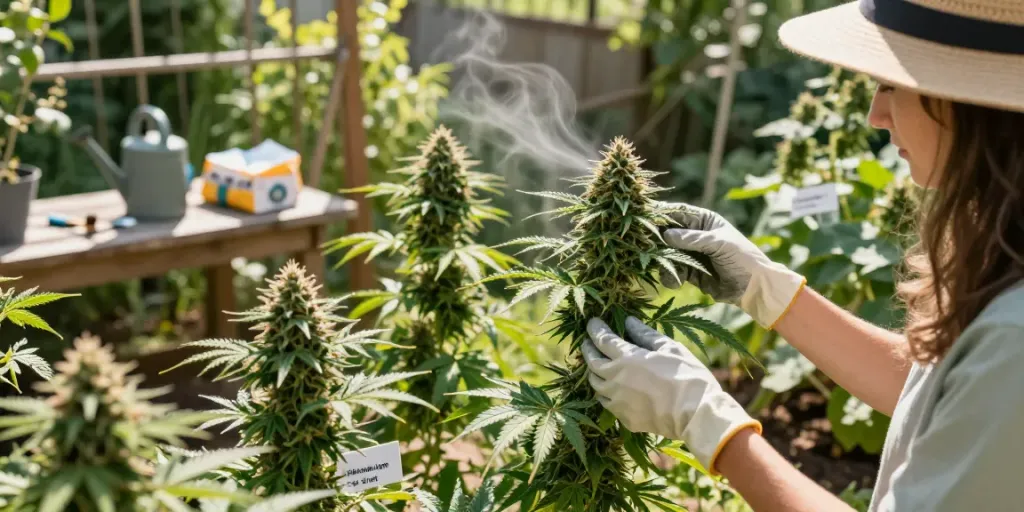
Understanding Regular Photoperiod Seeds
In the diverse world of cannabis cultivation, regular photoperiod seeds hold a unique and essential place. These seeds are distinct from their feminized and autoflowering counterparts, offering a blend of potential for both breeding projects and cultivation. By providing an equal chance of producing male and female plants, regular photoperiod seeds are cherished by growers and breeders alike for their genetic diversity and ability to preserve traditional genetics. When exploring options, regular photoperiod seeds deliver comprehensive insights into breeding possibilities and phenotype selection.
What Are Regular Photoperiod Seeds?
Regular photoperiod seeds are the original form of cannabis seeds, resulting from the natural pollination of male plants by female plants. The term "photoperiod" refers to the plants' need for specific light cycles to trigger growth phases, particularly flowering. Unlike feminized seeds, which are engineered to eliminate male plants, regular seeds maintain both male and female genetics, providing growers with the opportunity to explore a full spectrum of cannabis genetics.
These seeds are crucial for breeding as they preserve the natural reproductive framework of cannabis, allowing growers to produce offspring with diverse traits. Understanding how these seeds work is fundamental for those interested in breeding, phenotype hunting, or creating stable strains.
Genetic Characteristics of Regular Seeds
The genetic makeup of regular seeds is crucial for their performance in cultivation. Regular seeds typically exhibit a balanced 50/50 ratio of male and female plants. This diversity allows growers to select plants based on desirable traits such as potency, aroma, and growth patterns. Regular seeds are often prized for their stability, which provides a reliable foundation for breeding projects.
Additionally, regular seeds offer growers the chance to explore various genetic traits through phenotype hunting. This process involves growing multiple plants from the same seed batch to identify unique characteristics that can be bred into future generations.
Benefits of Breeding with Regular Seeds
Breeding with regular seeds opens up a wide array of possibilities for growers. The primary benefits of using regular seeds include:
- Diverse Genetic Pool: Regular seeds produce both male and female plants, providing a broader genetic base for selection.
- Stability and Vigor: Many regular seed strains are known for their vigor and resilience, resulting in healthier plants.
- Phenotype Exploration: Breeders can identify desirable traits through phenotype hunting, which is essential for developing new strains.
- Preservation of Lineage: Regular seeds help maintain the genetic lineage of cannabis strains, ensuring valuable traits are preserved.
Why Choose Regular Photoperiod Seeds?
Choosing regular photoperiod seeds over feminized or autoflowering options can significantly impact a grower's success and satisfaction. The decision hinges on the specific goals and preferences of the cultivator.
Advantages Over Feminized and Autoflowering Seeds
While feminized seeds are favored for their guaranteed female plants and autoflowering seeds are loved for their speed and ease of growth, regular seeds offer advantages that are particularly appealing to serious growers:
- Genetic Exploration: Regular seeds allow breeders to explore both male and female genetics, offering a chance to create new combinations and hybrids.
- Control Over Breeding: Growers can select males that exhibit desirable traits to cross with females, guiding the breeding process more effectively.
- Longer Lifespan: Regular seeds often have a longer lifespan, providing growers with flexibility in their growing schedules.
Ideal Use Cases for Regular Seeds in Cultivation
Regular photoperiod seeds are ideal for a variety of cultivation scenarios, including:
- Breeding Projects: Ideal for those looking to create new strains or preserve specific traits in the cannabis gene pool.
- Pheno Hunts: Growers can cultivate multiple plants to find unique phenotypes that may better suit their growing conditions or preferences.
- Breeder Collaborations: Regular seeds are essential for collaborative breeding efforts between cultivators seeking to enhance genetic diversity.
Long-Term Genetic Preservation Strategies
One of the most significant advantages of regular photoperiod seeds is their role in genetic preservation. Breeders and growers are increasingly recognizing the importance of preserving both male and female cannabis plants to maintain genetic diversity. By using regular seeds, growers can ensure that their preferred strains remain viable for future generations.
Growing Factors for Successful Cultivation
Cultivating regular photoperiod seeds successfully requires a thorough understanding of growing factors. This section will explore optimal conditions and common challenges faced by cultivators.
Optimal Growing Conditions for Regular Seeds
To achieve the best results with regular seeds, a variety of growing conditions should be carefully controlled:
- Lighting: Since regular seeds rely on photoperiod cues, growers must manage light cycles meticulously, providing 18-24 hours of light during the vegetative stage and 12 hours of light followed by 12 hours of darkness for flowering.
- Temperature and Humidity: Ideal temperature ranges between 70°F and 85°F (21°C to 30°C) during the day, with humidity levels of 40-70% during vegetative stages, tapering to 40-50% during flowering.
- Soil and Nutrition: Nutrient-rich soil is essential for robust growth, with tailored nutrient mixes during different growth phases.
Common Challenges and Solutions
Growing regular seeds comes with its own set of challenges, including:
- Identifying Sex: One key challenge is determining the sex of plants as they mature. Growers must be prepared to identify and remove male plants if they aim to produce seedless flowers.
- Stunted Growth: Ensuring proper nutrition and environmental conditions is vital to prevent stunting and promote healthy growth.
- Pest Management: Regular monitoring for pests and diseases is crucial to maintain a healthy crop.
Understanding Flowering Triggers in Regular Seeds
Flowering in regular photoperiod seeds is primarily triggered by a change in light cycles. Growers need to understand how the transition from vegetative light cycles to flowering light cycles affects plant development. This understanding is critical for producing high yields and quality buds.
Best Practices for Breeding with Regular Seeds
To maximize the potential of regular seeds, breeders should adopt best practices that enhance the breeding process and ensure successful strain development.
Selecting Parent Plants for Desired Traits
The selection of parent plants is a critical step in breeding with regular seeds. Breeders should consider the following factors:
- Phenotypic Traits: Choose parents that exhibit the traits sought after, such as flavor, potency, or growth characteristics.
- Genetic Stability: Parents should come from stable genetic lines to ensure that desirable traits are passed on to the offspring.
- Health and Vigor: Selected plants should be robust and free from diseases to ensure strong progeny.
Crossbreeding Techniques for New Strains
Engaging in crossbreeding requires knowledge of various techniques:
- Backcrossing: Repeatedly breeding a hybrid back to one of its parent strains to enhance specific traits.
- Outcrossing: Introducing unrelated genetics to increase diversity and avoid inbreeding depression.
- Polyploidy Induction: Techniques such as treatment with colchicine can create plants with higher chromosome counts, possibly leading to enhanced characteristics.
Evaluating Offspring: Traits to Look For
After breeding, evaluating the offspring is crucial for determining the success of the breeding project. Key traits to assess include:
- Growth Patterns: Observe how quickly and robustly the offspring develop.
- Aroma and Flavor Profiles: Assessing the sensory qualities of the buds is essential for market appeal.
- Potency Levels: Testing THC and CBD levels will help gauge the effectiveness of the new strain.
Future Trends in Cannabis Cultivation
The cannabis industry is rapidly evolving, and staying ahead of trends in cultivation, breeding, and legal regulations is essential for growers.
Emerging Techniques for Regular Seed Cultivation by 2026
As the cannabis sector grows, emerging techniques are expected to shape the cultivation of regular seeds:
- Advanced Breeding Technologies: Tools such as CRISPR gene editing may enable precise genetic modifications to enhance desirable traits.
- Automated Cultivation Systems: Smart farming technologies will streamline growing processes, optimizing conditions for regular seed growth.
- Sustainable Practices: Increasing focus on sustainability will integrate organic growing methods and renewable resources.
The Role of Technology in Cannabis Breeding
Technology will increasingly play a role in cannabis breeding, enabling more efficient processes. Data analytics and genetic mapping can provide insights into the best pairings for breeding, while virtual environments may simulate growth conditions to predict outcomes before planting.
Changes in Legal Landscape Affecting Growers
The legal landscape surrounding cannabis cultivation is continually changing. Growers must remain informed about local laws and regulations that can impact their operations. As legalization spreads, the industry may see a shift towards more standardized practices that enhance the quality and safety of cannabis products.
What are the best photoperiod seeds?
The best photoperiod seeds often depend on individual preferences and specific cultivation goals. Regular seeds like Afghan Hash Plant, Godberry, and Doctor Kush are popular for their stability and desired traits.
Are feminized seeds the same as photoperiod seeds?
No, feminized seeds are engineered to eliminate male plants, resulting only in females. Regular seeds can produce both male and female plants, making them essential for breeding.
How long does a photoperiod take from seed to harvest?
The timeline from seed to harvest can vary significantly, typically taking anywhere from 12 to 20 weeks, depending on the strain and growing conditions.
What does photoperiod seed mean?
A photoperiod seed refers to a cannabis seed that requires specific light cycles to trigger the flowering stage. This is in contrast to autoflowering seeds, which transition automatically based on age.
How do I identify the sex of photoperiod plants?
Identifying the sex of photoperiod plants involves observing pre-flowers that develop at the nodes of the plant. Male plants will produce pollen sacs, while female plants will show pistils.