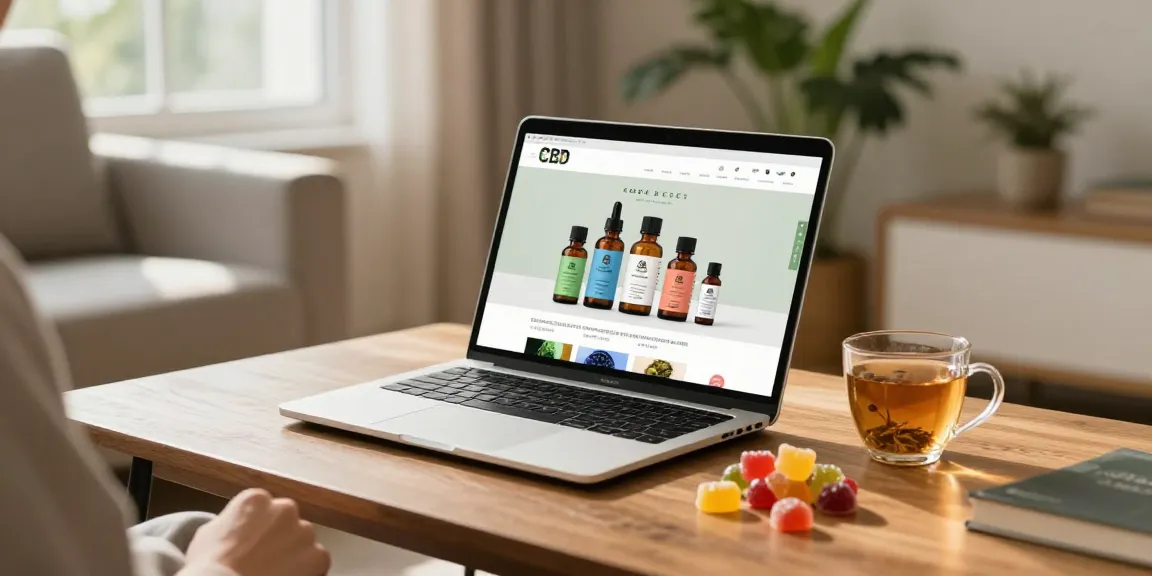
Understanding CBD and Its Health Benefits
In recent years, cannabidiol (CBD) has surged in popularity as a natural remedy for various health issues. As more individuals seek alternatives to conventional medicine, the wellness community has taken notice of the potential benefits of CBD. It is derived from the hemp plant, and unlike its psychoactive counterpart THC, CBD does not produce a "high." This quality has made it appealing for those looking for therapeutic effects without the associated intoxicating impacts. When exploring options, Online dispensary that ships to all states can provide comprehensive insights into purchasing reliable CBD products safely.
What is CBD and How Does It Work?
CBD is one of over 120 distinct phytocannabinoids found in the cannabis plant. Unlike THC (tetrahydrocannabinol), CBD does not bind to cannabinoid receptors in the brain; instead, it interacts with receptors within the endocannabinoid system (ECS). The ECS plays a vital role in maintaining homeostasis, regulating functions such as mood, memory, sleep, and pain sensation. By supporting the ECS, CBD may help restore balance and alleviate symptoms of various medical conditions.
Potential Health Benefits of CBD
Research into the therapeutic applications of CBD has shown promising results for a variety of conditions. Some of the potential health benefits of CBD include:
- Anxiety and Stress Management: Studies suggest that CBD may reduce anxiety levels by affecting serotonin receptors in the brain, promoting a sense of calm.
- Improvement in Sleep Quality: CBD has been shown to help regulate sleep patterns, assisting those with insomnia and other sleep disorders in achieving a more restful night.
- Pain and Inflammation Reduction: Many users report decreased pain and inflammation levels when using CBD, making it a popular alternative for chronic pain management.
- Enhanced Focus and Mental Clarity: Some individuals have found that CBD helps improve their concentration and cognitive function, offering benefits for those with attention issues.
- Post-Workout Recovery: Athletes often utilize CBD for its anti-inflammatory properties, helping to soothe sore muscles after intense workouts.
CBD for Stress Relief and Relaxation
In today’s fast-paced world, stress has become a significant part of life for many individuals. Research indicates that cannabinoids like CBD may provide a natural, effective method for managing stress. By influencing the body's endocannabinoid system and promoting relaxation, CBD can help mitigate the symptoms of stress and anxiety without the side effects commonly associated with pharmaceuticals.
Types of CBD Products Available
As the demand for CBD continues to rise, a wide range of products has become available to suit various preferences and lifestyles. Understanding the different formulations can help consumers make informed choices.
Exploring Different CBD Formulations: Oils, Edibles, and More
CBD products come in various forms, each offering unique advantages:
- CBD Oils and Tinctures: These are liquid concentrates that can be taken sublingually for quick absorption into the bloodstream. They offer customizable dosing and are often available in various strengths.
- Edibles: CBD-infused foods, including gummies, drinks, and capsules, make consumption discreet and enjoyable. However, they are metabolized differently, leading to delayed effects compared to oils.
- Topicals: Creams, balms, and patches infused with CBD can be applied directly to the skin for localized relief of pain or inflammation.
- Vape Products: These include cartridges, disposable pens, and e-liquids that provide rapid delivery of CBD through inhalation, allowing for quick onset of effects.
Comparing Full-Spectrum vs. Isolate CBD Products
When selecting CBD products, consumers often encounter terms like full-spectrum, broad-spectrum, and isolate. Each type varies in cannabinoid content:
- Full-Spectrum: Contains all cannabinoids found in the cannabis plant, including trace amounts of THC (≤0.3%). The "entourage effect" suggests that combining cannabinoids may enhance therapeutic effects.
- Broad-Spectrum: Similar to full-spectrum, but without THC. This is an excellent option for individuals seeking the benefits of multiple cannabinoids without the effects of THC.
- Isolate: Pure CBD that contains no other cannabinoids or terpenes. It is ideal for those who want to avoid THC entirely.
Choosing the Right Delivery Method for Your Needs
The best delivery method depends on individual preferences and desired effects. For quick relief, vaping or oils may be more suitable, while edibles provide longer-lasting effects but may delay onset. Individuals should consider their specific health goals and lifestyle when making choices about CBD use.
Dosage Guidelines and Usage Recommendations
Understanding the appropriate dosage is crucial when incorporating CBD into your wellness regimen. Factors like body weight, personal tolerance, and the product’s concentration can influence how much CBD is needed.
How to Determine the Right CBD Dosage for You
Finding the right CBD dosage typically requires a trial-and-error approach. It is advisable to start with a low dose and gradually increase it until the desired effects are achieved. For instance, beginning with 5-10 mg of CBD and observing how your body responds may guide you to the appropriate amount.
Titration: Finding Your Optimal CBD Dose
Titration refers to the process of adjusting your CBD intake incrementally. By carefully recording changes in symptoms with each dose, individuals can determine their optimal therapeutic level. This approach may involve increasing the dosage by small increments (2.5-5 mg) every few days until the desired effect is reached.
Safety Precautions and Best Practices
When introducing CBD into a wellness routine, safety is paramount. It’s essential to consult with a healthcare professional prior to starting, particularly for individuals on prescription medications or those with pre-existing health conditions. Additionally, pregnant or breastfeeding women should avoid CBD products unless advised by a healthcare provider.
Quality Assurance and Third-Party Testing
With numerous CBD products on the market, quality assurance is essential to ensure safety and effectiveness. Seeking products that feature third-party lab testing can provide insights into the product's purity, potency, and safety.
Understanding CBD Product Certifications and Labels
When purchasing CBD, it is important to look for certifications and clear labeling which may indicate that the product has undergone rigorous testing. A Certificate of Analysis (COA) should accompany products and provide crucial information regarding cannabinoid content and contaminants.
How to Read a Certificate of Analysis (COA)
A COA will typically detail the concentrations of cannabinoids and whether the product contains any harmful substances like pesticides or heavy metals. Consumers should learn to read COA reports to verify the quality of their products, ensuring they meet safety standards.
Identifying Reputable Brands and Products
When purchasing CBD, opting for well-established brands with positive reviews can enhance safety and reliability. Look for companies that are transparent about their sourcing and manufacturing processes and offer clear information regarding third-party testing outcomes.
Legal Implications of Buying Online CBD
The legal landscape surrounding CBD is continually evolving. To make informed purchases, consumers must understand both federal and state laws regarding CBD sales and consumption.
Current Legal Status of CBD in 2026
As of now, CBD products derived from hemp with THC levels below 0.3% are federally legal due to the 2018 Farm Bill. However, individual states may impose additional regulations or restrictions on CBD products, so consumers must remain aware of local laws.
What to Know About Local Regulations
Local regulations can vary widely, affecting the legality of purchasing CBD online. It is advisable for consumers to verify state-specific rules and ensure that their online dispensary can legally ship to their location.
Potential Drug Interactions and Safety Considerations
CBD has the potential to interact with certain medications. For instance, users on blood thinners or seizure medications should consult with a healthcare provider, as CBD can alter the effectiveness of these drugs. Awareness of potential side effects, including drowsiness and digestive changes, is also important for safe usage.
Frequently Asked Questions
The following FAQs can guide consumers in their journey towards CBD use:
- What are the safety laws for shipping CBD products? Shipping laws vary by state. It's crucial for consumers to check local regulations before ordering CBD products online.
- Can I buy CBD online without a medical card? Yes, in many states, consumers can purchase CBD products online without a medical card provided the product complies with local regulations.
- How can I ensure my CBD is lab-tested? Seek products that provide a Certificate of Analysis (COA) from a reputable third-party lab, confirming its safety and potency.
Safety & Compliance
Ensuring safety and compliance is essential in the CBD industry to protect consumer health and mitigate legal risks.
Potential Side Effects and Contraindications
While CBD is generally well tolerated, potential side effects may occur. Common issues include drowsiness, dry mouth, changes in appetite, and digestive discomfort. Users should monitor their responses and consult a healthcare professional if they experience any adverse effects.
Drug Testing Concerns (THC Traces in Full-Spectrum Products)
Individuals subject to drug testing should be cautious when using full-spectrum CBD products, as they may contain trace amounts of THC. Those concerned about drug testing might prefer broad-spectrum or isolate products to avoid any risk of failure.
Age Restrictions and Responsible Use Messaging
CBD products are intended for adults aged 21 and older. It is essential to avoid giving CBD products to minors without explicit medical guidance. Additionally, responsible use is encouraged to maximize benefits while minimizing risks.
Quality Control and Counterfeit Product Warnings
Consumers should be vigilant about counterfeit products, which may pose serious health risks. It’s essential to purchase from reputable brands and retailers that provide clear information about their products, including sourcing, manufacturing practices, and testing in place to ensure quality and safety.
Content Quality & Depth
The importance of evidence-based information regarding CBD cannot be overstated. As personal wellness journeys vary significantly, readers are encouraged to rely on scientific research and caution when engaging in self-directed treatment plans.
Realistic Examples and User Scenarios
Many users report significant improvements in quality of life by incorporating CBD into their routines, whether through oil supplements for anxiety, topical applications for muscle soreness, or edible forms for stress relief. Personal experiences may vary, underlining the importance of individualized approaches to dosage and formulation choice.
Explaining Technical Concepts in Accessible Terms
Understanding terms and concepts such as the endocannabinoid system (ECS), bioavailability, and the entourage effect can help consumers make informed decisions. By breaking down complex subjects into manageable information, users can better grasp how CBD may benefit their well-being.
Actionable Tips Readers Can Immediately Implement
Some immediate actions readers can take include starting with low dosages, monitoring effects, and consulting healthcare providers for personalized advice. Keeping a journal to track progress and any changes in symptoms after starting CBD can help guide future use.
2026 CBD/Vaping Industry Trends and Updates
As the industry evolves, consumers can anticipate a continued focus on transparency, sustainability, and quality assurance in CBD product offerings. It may also include the potential for new formulations and delivery methods as scientific understanding of cannabinoids improves.
Educational, Trustworthy Tone – No Hype or Exaggerated Claims
In discussing CBD products and their benefits, it’s important to remain grounded in scientific evidence and avoid making unverified health claims. Educating consumers on the potential and limitations of CBD enhances trust and empowers individuals to make informed choices.