
 admin
admin 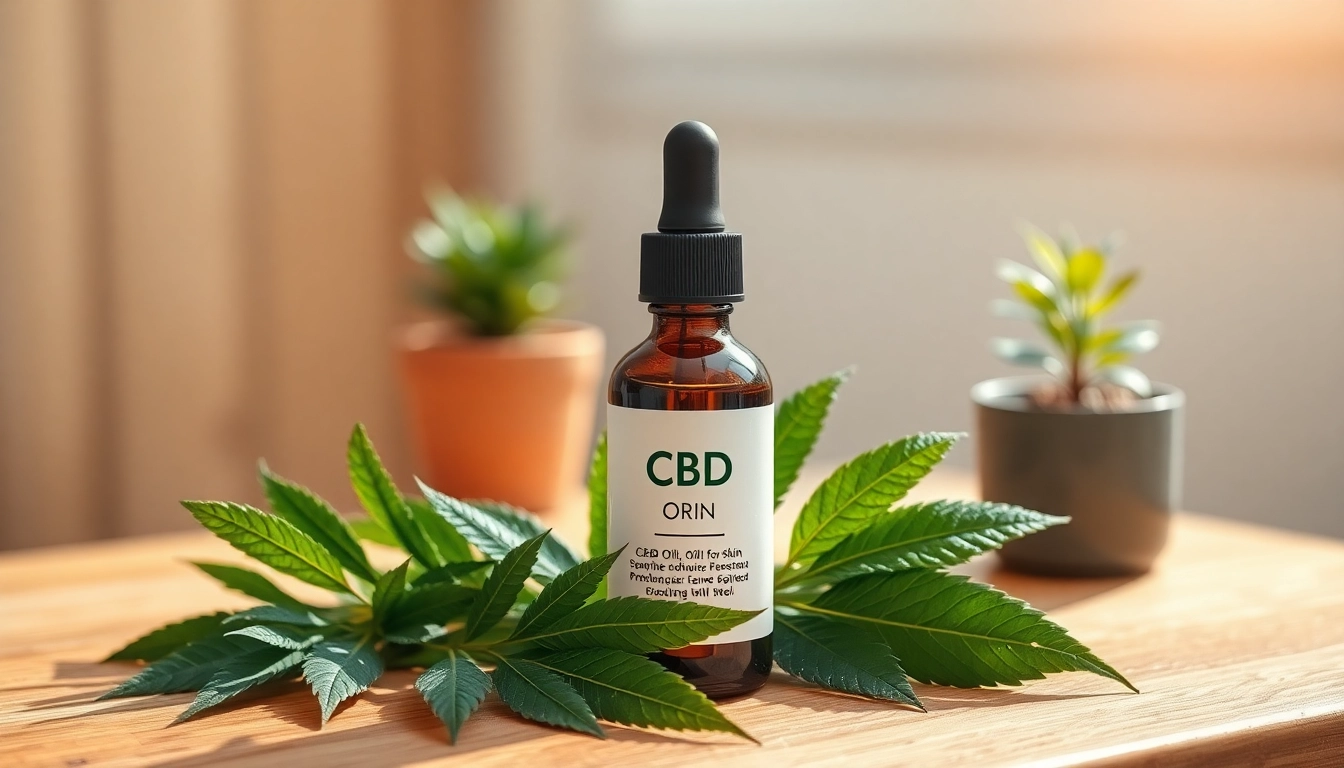
Understanding CBD Oil for Skin
CBD oil has gained immense popularity in recent years for its potential health benefits, particularly in skincare. As a natural compound derived from the hemp plant, it possesses various therapeutic properties that attract those seeking alternatives for common skin concerns. This article delves into the significant benefits of CBD oil for skin, outlines how it works, dispels prevalent myths, and provides guidance on incorporating it into your skincare routine.
What is CBD Oil?
CBD, short for cannabidiol, is one of over a hundred cannabinoids found in the cannabis plant. Unlike THC (tetrahydrocannabinol), CBD is non-psychoactive, meaning it does not induce the “high” commonly associated with cannabis. CBD oil is derived by extracting CBD from the plant and then diluting it with a carrier oil, such as coconut or hemp seed oil.
The extraction methods and quality of the hemp plant play a crucial role in determining the efficacy of the oil. Full-spectrum and broad-spectrum CBD oils contain various cannabinoids and terpenes, which may enhance the therapeutic effects through a phenomenon known as the entourage effect.
How CBD Oil Works on the Skin
The skin is the largest organ in the human body and serves as the first line of defense against the external environment. It comprises multiple layers, each with specific functions. CBD interacts with the body predominantly through the endocannabinoid system (ECS), which is involved in regulating various physiological processes, including skin health.
Upon application, CBD oil binds to cannabinoid receptors in the skin, which can modulate inflammation, pain, and other dermal processes. Research indicates that CBD possesses anti-inflammatory properties, potentially making it effective for managing conditions such as acne and eczema.
Common Myths about CBD Oil for Skin
Despite the growing interest in CBD products, several misconceptions persist regarding its use in skincare. Understanding these myths can help consumers make informed choices:
- Myth 1: CBD oil will get me high. As mentioned, CBD is non-psychoactive. It does not cause any intoxicating effects, unlike its THC counterpart.
- Myth 2: All CBD oil products are the same. The efficacy of CBD oil can vary significantly based on factors like extraction methods, source of hemp, and additional ingredients. Always choose high-quality products for the best results.
- Myth 3: CBD oil is only useful for serious skin conditions. While it shows promise in treating conditions like acne and eczema, CBD oil can also be beneficial for general skin health, hydration, and anti-aging benefits.
Benefits of CBD Oil for Skin
Anti-Inflammatory Properties
One of the primary recognized benefits of CBD oil is its anti-inflammatory properties. This characteristic makes it advantageous for individuals suffering from inflammatory skin conditions such as acne, psoriasis, and eczema. Clinical studies have indicated that CBD can reduce sebum production, minimize redness, and alleviate itchy skin.
Moreover, because inflammation plays a significant role in the aging process, CBD oil could serve as a potential ally in combating premature aging by reducing inflammation at the cellular level.
Hydration and Moisture Retention
CBD oil is rich in essential fatty acids, which are vital for maintaining skin hydration and barrier function. These fatty acids help to lock moisture in the skin, preventing dryness and flakiness. Regular use of CBD oil can lead to softer and more supple skin, making it an excellent choice for those with dehydrated or sensitive skin types.
Several users have reported improved skin texture and overall appearance after incorporating CBD oil into their daily routines, underlining its powerful hydrating capabilities.
Potential for Acne Treatment
Acne is a prevalent skin condition that can be exacerbated by various factors, including hormonal changes and excess oil production. Preliminary studies suggest that CBD oil may help control acne by regulating sebum production and exhibiting antibacterial properties. This dual-action can aid in preventing clogged pores and reducing the frequency and severity of breakouts.
By managing inflammation and controlling oiliness, CBD might provide a natural alternative to over-the-counter and prescription acne treatments, appealing to those looking for gentler, plant-based options.
How to Incorporate CBD Oil for Skin in Your Routine
Choosing the Right Product
Not all CBD oils are created equal, and selecting the right product is crucial for effective skincare. Consider the following factors when choosing CBD products:
- Type of CBD: Choose between full-spectrum, broad-spectrum, and CBD isolate based on your needs. Full-spectrum contains multiple cannabinoids, offering wider benefits.
- Source: Opt for products derived from organic hemp, which ensures that they are free of harmful pesticides and chemicals.
- Lab Testing: Look for third-party lab testing results to guarantee product quality and potency.
Application Techniques
The method of application can significantly influence the effectiveness of CBD oil. Here are some techniques to consider:
- Direct Application: Apply a few drops of CBD oil directly onto clean skin. Gently massage it in, allowing it to absorb adequately.
- Mixing with Skincare: Combine CBD oil with your existing moisturizer, serum, or face mask for added benefits.
- Patch Testing: Before full application, conduct a patch test on a small area of skin to ensure no allergic reactions occur.
Combining with Other Skincare Ingredients
CBD oil can synergize well with other skincare ingredients. For instance:
- Hyaluronic Acid: Combining CBD oil with hyaluronic acid can enhance hydration, delivering moisture deeply into the skin.
- Vitamine E: As a powerful antioxidant, incorporating vitamin E can further protect the skin from environmental damage.
- Botanical Extracts: Certain botanical extracts, like tea tree oil, can complement the antibacterial properties of CBD oil, making it even more effective against acne.
Potential Side Effects and Precautions
Allergic Reactions and Sensitivities
While CBD oil is considered safe for most users, it’s essential to be aware of potential allergic reactions. Some individuals may experience skin irritations such as rashes or itchy skin. It’s advisable to perform a patch test before fully incorporating CBD oil into your regimen to assess individual tolerance.
In case of any adverse reactions, cease use immediately and consult a healthcare professional. Furthermore, those with sensitive skin conditions should practice caution and consult a dermatologist before using CBD products.
Legal and Regulatory Considerations
The legal landscape surrounding CBD can be complex and varies significantly by location. In many regions, CBD derived from hemp is legal, whereas cannabis-derived CBD may not be. Before purchasing or using CBD oil, it’s crucial to understand local laws and regulations regarding its use.
Consulting with a Dermatologist
For those considering CBD oil for specific skin conditions, consulting with a dermatologist is advisable. They can provide personalized recommendations and ensure that CBD oil would complement your current skincare routine, particularly if you are on other treatments or have preexisting conditions.
Clinical Studies and Research on CBD Oil for Skin
Latest Findings in Skin Therapy
Numerous studies have started exploring the therapeutic effects of CBD oil on skin disorders. Recent findings indicate that CBD can significantly inhibit the production of sebum in sebocytes, the cells responsible for oil production in the skin. This property makes CBD a promising candidate for acne management.
Additionally, research suggests that CBD oil may play a role in promoting wound healing and reducing the appearance of scars, making it an exciting area for further exploration in dermatological therapies.
Evidence-Based Results
Evidence from various studies demonstrates the positive impact of CBD oil on skin health. For instance, a clinical trial highlighted that participants using topical CBD experienced a substantial decrease in acne and skin irritation over 12 weeks. Such findings provide a foundation for further investigation into its broader implications for skin treatment.
Future Research Directions
As the demand for CBD-infused products continues to rise, more research is needed to fully understand its mechanisms and optimize its application in skincare. Future studies may focus on identifying the most effective concentrations, delivery methods, and combinations with other ingredients to amplify its benefits.
As researchers delve deeper into the potential of CBD, we can expect innovative formulations and targeted therapies aimed at improving skin health and addressing various skin conditions.